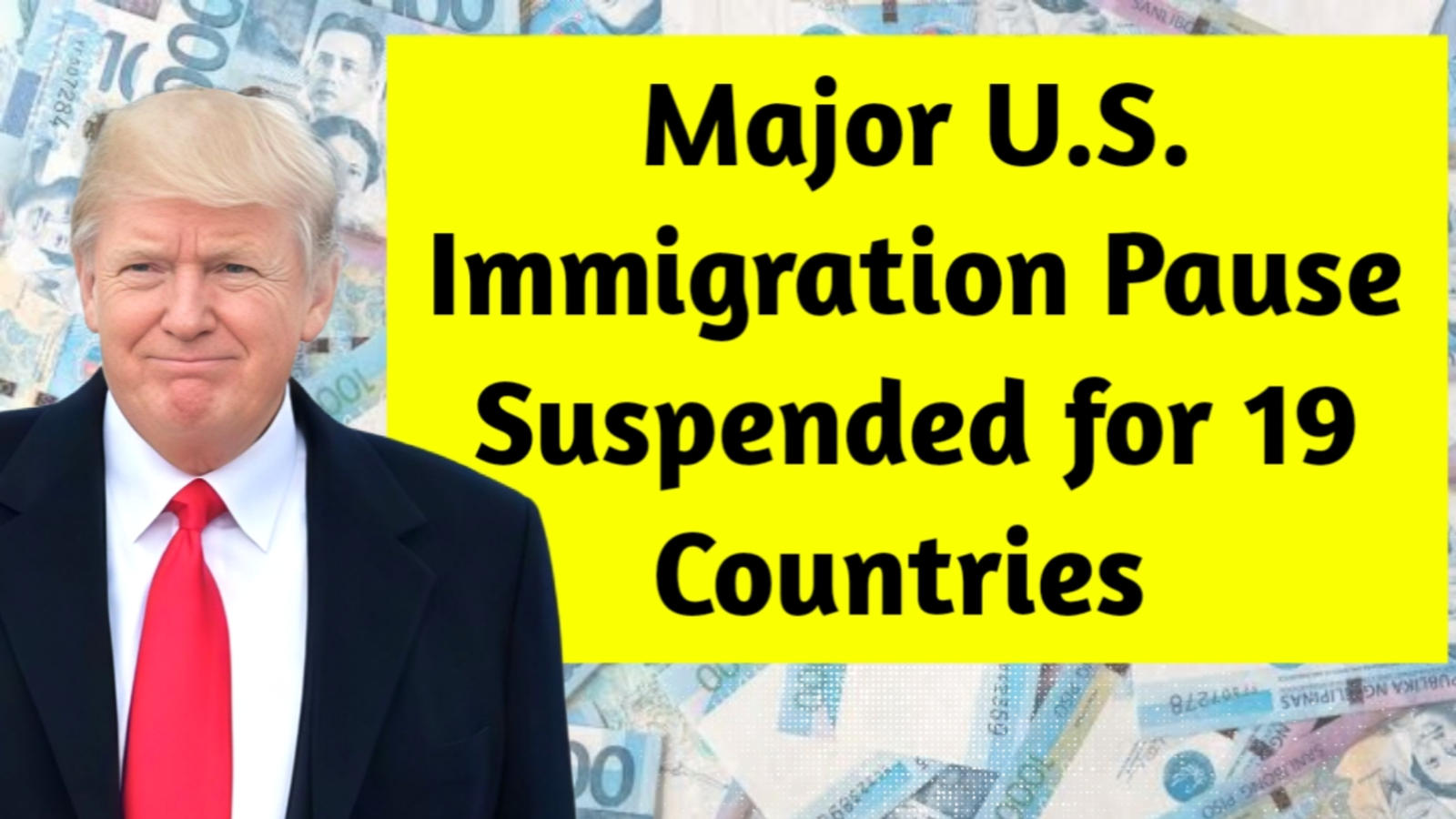
Major Immigration Pause in the U.S: Shocked by news of a big freeze on immigration in the United States? Starting December 2, 2025, the Trump administration has stopped all processing of immigration applications from people in 19 countries, including green cards (permanent residency), citizenship approvals, and even oath ceremonies where new citizens swear loyalty. This “pause” comes after a shocking shooting attack in Washington, D.C., on November 25, 2025, where an Afghan immigrant allegedly killed a National Guard member.
The government says it’s for “national security and public safety,” but it’s leaving thousands in limbo—cancellations of interviews and ceremonies are already happening. In this clear guide, we’ll explain the basics: why it’s happening, which countries are hit, who it affects, and what might come next. We’ll use the latest reports to help families, lawyers, and applicants stay informed without the panic.
As of December 6, 2025, U.S. Citizenship and Immigration Services (USCIS, the agency handling this) has sent out internal memos directing staff to halt all final decisions on cases from these nations. This isn’t a full travel ban but a deep review that could last months. Check USCIS.gov for your case status, and talk to an immigration lawyer if you’re impacted.
Why Has the U.S. Paused Immigration for These 19 Countries?
The pause ties back to a June 2025 travel restriction President Trump signed, limiting visas and entries from “high-risk” spots. But after the D.C. attack—where suspect Rahmanullah Lakanwal, an Afghan asylum seeker from 2021, faces murder charges—the administration ramped it up. Officials blame weak vetting (background checks) under the old Biden rules, so now USCIS is reviewing every case from these countries, even ones approved years ago.
In simple terms: No new final stamps on papers. Interviews might still happen, but decisions are on hold. This includes asylum claims, work permits, and family reunions. Immigration experts call it an “escalation” of Trump’s crackdown, aimed at stopping threats but hitting legal pathways hard. The American Immigration Lawyers Association (AILA) reports chaos: Families turned away from offices with no clear end date.
The Trigger: What Sparked This Major Halt?
The November 25 shooting near the White House killed one Guard member and injured another, with Lakanwal charged despite his asylum grant in April 2025. Trump called it proof of “open borders” risks, ordering a full stop on processing. This echoes his first-term travel bans but goes further by freezing in-progress cases. No word on how long—could be weeks or years, with possible court fights ahead.
Which 19 Countries Are Affected by the Immigration Pause?
The list mixes full bans (no entries) with partial limits (tougher checks). Mostly African, Asian, and Middle Eastern nations seen as security hotspots. Here’s the breakdown:
| Category | Countries | Details |
|---|---|---|
| Full Travel Ban (12) | Afghanistan, Myanmar, Chad, Republic of Congo, Equatorial Guinea, Eritrea, Haiti, Iran, Libya, Somalia, Sudan, Yemen | No visas or entries; all cases paused, including old approvals for review. |
| Partial Restrictions (7) | Burundi, Cuba, Laos, Sierra Leone, Togo, Turkmenistan, Venezuela | Limited visas; processing halted, with extra interviews possible. |
These spots were flagged in June 2025 for weak passports or conflict risks. If you’re from here and applied before, your file’s frozen—expect emails or calls for re-checks.
Who Gets Hit Hardest by This Suspension?
This affects thousands in the U.S. pipeline: Families waiting to reunite, workers seeking green cards, and soon-to-be citizens mid-process. Key groups:
- Green Card Applicants: Adjustment of status (changing from visa to permanent resident) stopped—no approvals until cleared.
- Citizenship Seekers: Naturalization interviews and oath ceremonies (the big swearing-in events) canceled, even for long-time residents.
- Asylum and Refugee Claimants: No decisions; reviews of 2021–2025 grants from these countries.
- Family and Work Visas: Spouses, kids, or skilled pros from the list—backlogs grow.
AILA says over 10,000 cases paused already, mostly from Afghanistan and Haiti. U.S.-born kids of affected parents? Safe, but parents’ status hangs. Businesses lose talent; one tech firm reported five hires delayed.
What Can Affected People Do Right Now?
- Check USCIS case status online—look for “on hold” notes.
- Contact AILA for free resources or low-cost lawyers.
- Gather old docs for potential re-interviews.
- If in the U.S., stay put—travel risks denials.
What’s Next? Potential End and Bigger Impacts
No set restart date—could tie to security fixes or court rulings. Trump hints at expanding the list if threats rise. Critics, including human rights groups, call it “cruel” for splitting families; lawsuits loom from the ACLU. Economy-wise? Slower growth in care and construction jobs, per experts. Broader? Fuels debates on borders vs. humanity.
FAQs on the U.S. Immigration Pause for 19 Countries
Q: How long will this pause last? A: Unknown—could be months; tied to reviews. Check USCIS for updates.
Q: Does it affect people already in the U.S.? A: Yes—pauses approvals and reviews old grants; no deportations yet.
Q: Can I still apply from these countries? A: Filings accepted, but no processing until lift.
Q: What about kids or spouses of U.S. citizens? A: Still paused, but waivers possible for emergencies—file Form I-601.
Q: Where to get help? A: AILA.org or USCIS.gov; free clinics in major cities.
Conclusion
The major U.S. immigration pause hitting all cases and ceremonies from 19 countries is a bold security move after the D.C. tragedy, freezing green cards, citizenships, and more for folks from places like Afghanistan and Haiti. While aimed at safety, it’s causing heartbreak—canceled dreams for thousands waiting years. With full bans on 12 nations and partial on seven, backlogs will swell, but reviews promise fixes.
Stay strong if affected: Monitor USCIS, seek legal aid, and hold family close. This could shift with courts or policy tweaks, but for now, it’s a tough wait. Broader lesson? Immigration’s a balance of borders and belonging—watch for changes in 2026. Knowledge is your best tool amid the uncertainty.