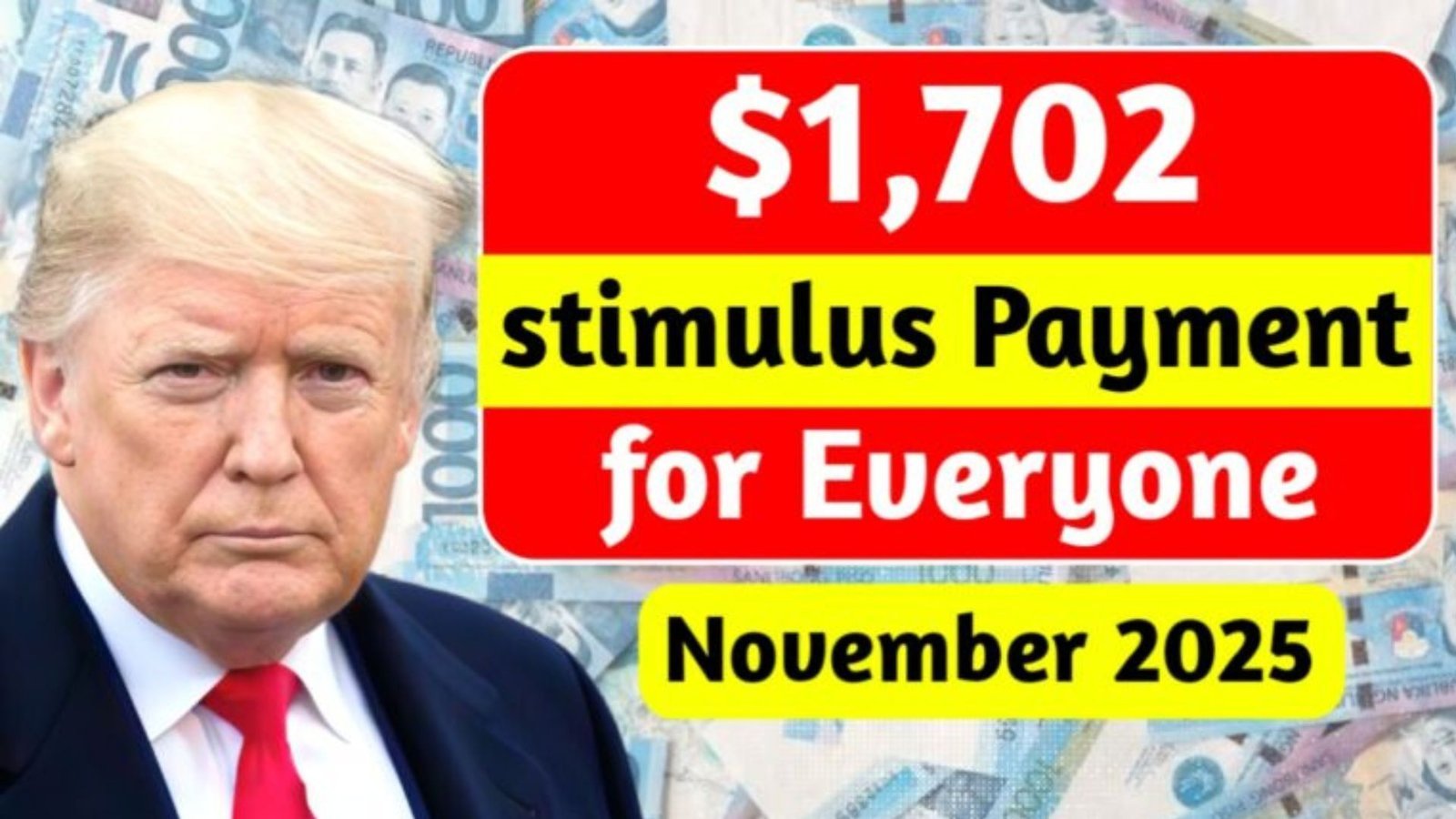
In late 2025, as holiday bills stack up and everyday costs like groceries and rent keep climbing, a viral rumor about a $1,702 stimulus payment in November has everyone talking. Shared wildly on social media, WhatsApp groups, and sketchy blogs, it promises quick cash from the IRS to ease money worries. But hold on—is this a real lifeline or just another online trick? The short answer: It’s mostly smoke and mirrors, with no backing from official U.S. government sources. This buzz often recycles old pandemic aid stories or twists state programs into fake federal giveaways, preying on folks desperate for relief.
The Rumor Unpacked: What’s the Claim About This $1,702 Payment?
The story goes like this: A one-time $1,702 check or direct deposit hits bank accounts in November 2025, aimed at hardworking Americans battling inflation. Proponents say it’s from the IRS, tied to recent tax filings, and targets families, seniors, and low earners with extras for kids or disabilities. Sounds great, right? But dig deeper, and it’s built on shaky ground—old graphics from 2021 COVID relief, mashed with made-up numbers, and sprinkled with urgency to go viral.
No press release, no congressional bill, no IRS memo backs it. Instead, it’s fueled by economic jitters: With prices up 3-4% yearly, people crave quick fixes. Social shares claim “apply now” links or “secret eligibility,” but these lead to phishing sites stealing your Social Security Number (SSN) or bank details. The truth? Federal stimulus ended years ago; today’s aids are steady benefits, not surprise windfalls. This rumor erodes trust in real programs, like Social Security tweaks, and highlights why checking sources matters. Bottom line: If it’s not on IRS.gov, treat it like a chain email—forward with caution.
Why This Smells Like a Hoax: Common Signs of Stimulus Misinformation
Viral claims thrive in uncertainty, and this one’s a classic. It pops up on unregulated spots like Facebook groups or TikTok, blending half-truths: “November payout” from state rebates, “$1,702” from outdated calculations. No official timeline? That’s a giveaway—real IRS moves come with clear dates and portals.
Red Flags to Watch For
- Unsolicited Urgency: Messages screaming “claim before midnight” or “limited spots” push rash clicks.
- Personal Info Demands: Fake sites ask for SSN, birthdate, or bank routing numbers—IRS never does via email or text.
- Too-Good Twists: Promises for “everyone” ignore fair rules like income checks.
- Recycled Graphics: Same blurry images from 2020-2021, edited with new dates.
These tricks snag data for identity theft, costing victims thousands. In 2025 alone, the FTC reports over $500 million in scam losses tied to “government aid” fakes. The fix? Pause, verify, and report—knowledge is your shield.
Hypothetical Eligibility: What If It Were Real?
Since it’s not happening, let’s play “what if” based on past federal aids. A legit $1,702 might mirror 2021 rules: Automatic for qualifiers via tax records, focusing on middle-income squeezes.
Imagined Basics
- Residency and ID: U.S. citizen or legal resident with valid SSN.
- Income Caps: Singles under $75,000 or couples under $150,000 for full amount; phases out higher to keep it equitable.
- Filing Proof: Recent taxes (2024) with updated address and dependents.
- Target Groups: Seniors via Social Security links, families with kids under 17, or disability recipients—extras like $500 per child.
But remember, this is guesswork—no program’s live. Real checks use tools like IRS’s “Where’s My Refund?” for status, not shady apps.
Here’s a table of how past aids worked (for context):
| Past Aid Example | Income Limit (Single) | Who Got Full? | Payout Method |
|---|---|---|---|
| 2021 Recovery Rebate | Under $75,000 | Low/middle earners | Direct deposit or check |
| Child Tax Credit Advance | Under $75,000 | Parents with kids | Monthly electronic |
| Economic Impact Payment 3 | Under $75,000 | All adults + dependents | Automatic via taxes |
This shows patterns, but nothing matches $1,702 now.
Real Help in 2025: Legit Alternatives to Chase Instead
Skip the fakes—focus on proven paths. No new federal stimulus, but these deliver:
Top Options
- Unclaimed Tax Credits: Missed 2021 rebates? File amended returns by April 2025 for up to $1,400 back—IRS auto-sends if eligible.
- Social Security COLA: 2.5% bump hits December checks; seniors get steady monthly aid.
- State Rebates: Colorado’s TABOR refunds up to $1,100 for 2024 filers; New Jersey’s ANCHOR aids renters/homeowners under $150,000.
- Disability/VA Benefits: SSDI or veteran pensions flow automatically—update via SSA.gov or VA.gov.
- Earned Income Credit: Workers earning $60,000 or less snag $600+ refunds with 2024 taxes.
These are issue-free: No fees, no SSN shares—just log in and verify. States like California add middle-class relief up to $1,050. Track via official apps for peace.
Stay Safe: Quick Tips to Dodge Scams and Verify Claims
Empower yourself: Bookmark IRS.gov and your state’s revenue site—primary sources for truths. Got a “stimulus alert”? Forward to phishing@irs.gov. Use two-factor logins, never click links in texts, and chat free tax pros at VITA centers. Digital literacy wins: Question shares, teach family. In 2025, with AI deepfakes rising, skepticism saves cash.
Wrapping It Up: Focus on Facts for Smarter Finances in November 2025
The $1,702 November stimulus claim is a classic case of hope hijacked by hype—no IRS green light, just recycled rumors and scam bait. By spotting hoaxes through red flags and leaning on real aids like tax credits, state rebates, and benefit bumps, you reclaim control amid money stresses. We’ve sifted the myths from must-knows, so you’re equipped to skip traps and snag genuine support.
Act now: Double-check IRS.gov for your status, update records, and report suspicious messages. Knowledge shared builds stronger communities—pass this to a friend. As November ends, here’s to clearer paths, fuller pockets from legit sources, and a scam-free holiday season ahead!